Initial Inspection and Assessment
Water damage can manifest in various forms, from minor leaks to significant flooding. As such, the initial inspection and assessment stage is pivotal. Not only do experts identify the source and extent of the damage, but they also check the level of water contamination. This is crucial because different types of water require specific handling techniques. For instance, black water, which is highly contaminated, needs immediate and specialized attention. Black Water Damage.
During this phase, restoration professionals in Oakland County utilize advanced tools like infrared cameras and moisture meters to gather detailed information. The findings from this thorough inspection pave the way for crafting a tailored restoration plan, ensuring efficient and effective remediation. Property owners are often presented with a comprehensive breakdown of the situation, allowing them to understand both immediate concerns and potential future implications. Understanding the Water Restoration Process.
Water Removal or Extraction
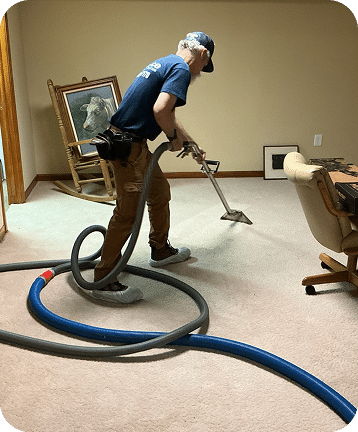
Once the assessment is complete, the next logical step is the extraction of water from the property. This is not a mere mop-up job—it’s a sophisticated process involving high-powered pumps and vacuums that ensure every drop is removed efficiently. The faster the water extraction, the less the risk of secondary damage, such as mold growth.
Water extraction must be thorough, especially in high-risk areas like basements and crawl spaces. Professionals trained in these techniques can handle even the most challenging of scenarios. This stage sets the foundation for further restoration steps, like drying and dehumidification. Rapid action is essential here to stave off prolonged exposure to moisture, which can exacerbate structural damage and health risks.
Residents in areas prone to frequent flooding or storms might recognize the importance of having an emergency plan in place. The use of industrial-grade equipment during water extraction not only safeguards the property against immediate threats but also works as a preventive measure against future incidents. This emphasis on rapid water removal can greatly minimize disruptions and preserve the property’s integrity over time.
Drying and Dehumidification
Achieving comprehensive drying and dehumidification is as critical as water removal itself. After water extraction, remaining moisture may linger, posing the risk of mold and rot. This is addressed using advanced dehumidifiers and air movers that accelerate evaporation and draw moisture from building materials.
Technicians monitor the drying process closely, employing moisture meters to track the efficacy of drying efforts over several days. This ensures that areas such as wall cavities and subfloors are free from any persistent dampness, something not visible to the naked eye. By utilizing techniques such as heat manipulation, indoor environments are optimized to speed up drying, ensuring a complete water restoration.
Notably, drying and dehumidification efforts are vital in preventing mold growth, a common nuisance following water damage. Mold spores thrive in damp conditions, complicating the remediation process if not addressed timely manner. Professional interventions with sophisticated technology ensure a mold-free, safe, and healthy living environment.